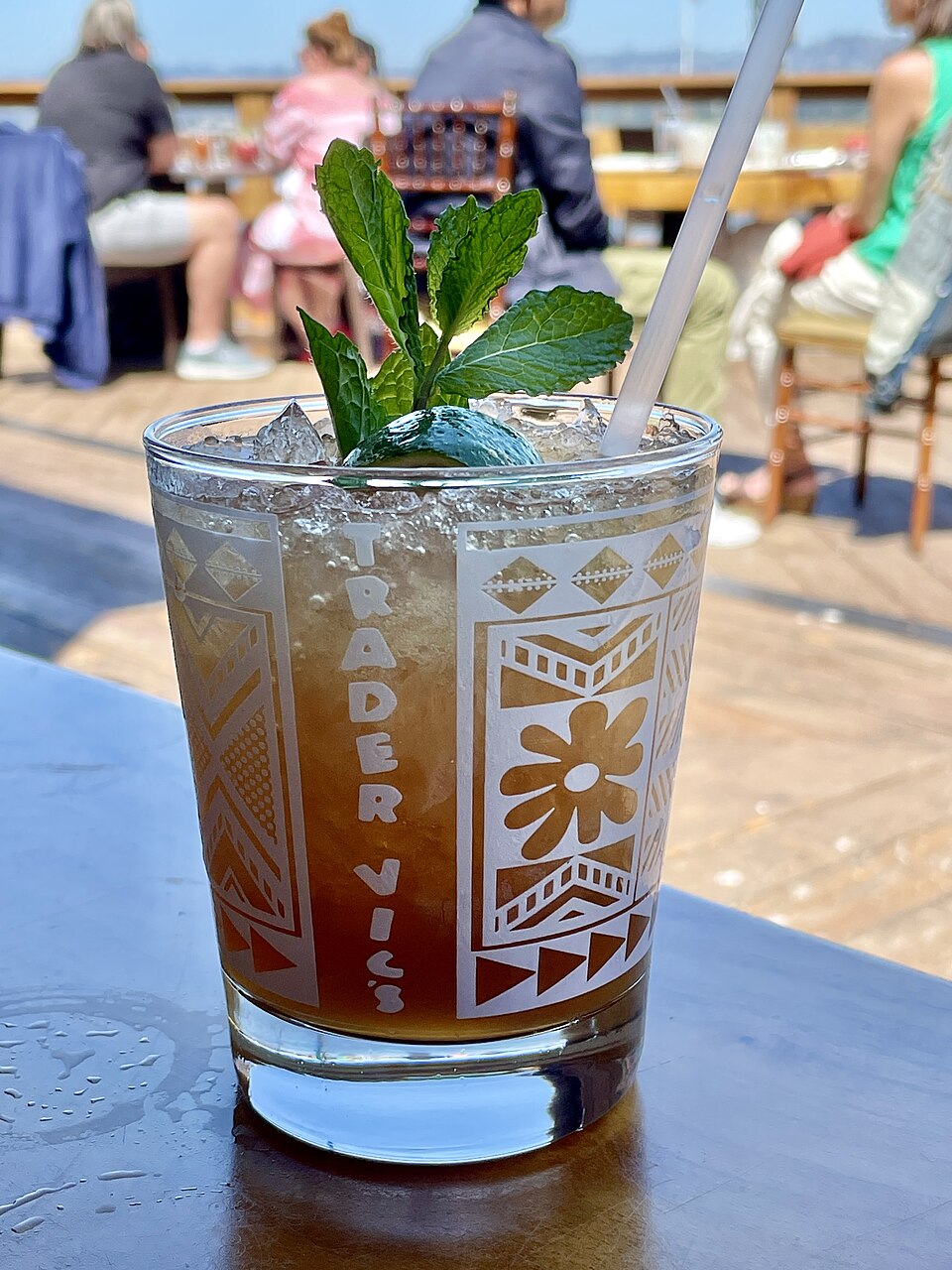
Imagine yourself on a sun-drenched beach, the gentle murmur of waves a soothing soundtrack as you sip on a refreshing, perfectly balanced cocktail. For many, this idyllic scene conjures images of a classic Mai Tai – a drink synonymous with tropical escapes and vibrant Polynesian culture. Yet, behind the festive garnishes and often overly sweet renditions lies a sophisticated, rum-forward masterpiece with a surprising origin story and a flavor profile far more complex than you might expect.
The classic Mai Tai is more than just a cocktail; it's a journey back to its authentic roots, away from the juice-heavy concoctions that often masquerade under its name. This iconic tropical rum cocktail, celebrated for its nuanced blend of aged rum, citrus, and almond, promises an "out of this world" experience – a sentiment that famously gave the drink its name. If you're ready to elevate your home bar and truly understand what makes this legendary drink tick, join us as we uncover its fascinating history and guide you through crafting the original, unforgettable Mai Tai.
The Classic Mai Tai: A Tropical Escape with a Twist
While the Mai Tai is inextricably linked with the sun-kissed shores of Hawaii and the vibrant ambiance of tiki-themed restaurants, its true beginnings are rooted thousands of miles away from the Pacific islands. The narrative that has largely been accepted credits Victor "Trader Vic" Bergeron with inventing the Mai Tai in 1944 at his namesake restaurant in Oakland, California. This might come as a surprise to those who envision its birth on a sandy beach, but it's a testament to Bergeron's genius that his creation so perfectly captured the essence of a tropical paradise.
The name itself, "Mai Tai," is Tahitian for "out of this world" or "the best," reportedly uttered by Bergeron's Tahitian guests upon their first sip. This reaction perfectly encapsulates the drink's initial impact: a startlingly delicious and complex flavor that transcended expectations. Far from the syrupy-sweet, fruit-punch-like versions that dominate many resort menus today, the original classic Mai Tai was a tart, strong, and impeccably balanced cocktail. It prominently featured the rich, distinctive notes of aged rum, complemented by bright hints of orange and lime, and a subtle, nutty undertone from almond syrup. It was designed not to mask the rum, but to elevate it, making it one of the best classic cocktail recipes ever conceived.
This drink became a cornerstone of the burgeoning tiki culture, an American phenomenon that romanticized Polynesian aesthetics and escapism. For many, a well-made Mai Tai transports them to that coveted lounge chair by a resort pool, ocean view in the distance, book in hand – a true taste of vacation bliss, no matter where you are.
Unraveling the True History of the Mai Tai
The story of the Mai Tai's creation is a fascinating slice of cocktail history, fraught with claims and counter-claims, but ultimately attributed to Victor Bergeron. In 1944, at Trader Vic's in Oakland, Bergeron reportedly crafted the drink for a couple of friends visiting from Tahiti. His goal was to create a cocktail that would best showcase a very specific and rare rum he possessed: a 17-year-old J. Wray & Nephew Jamaican rum. This detail is crucial because it highlights the original Mai Tai's purpose – not just to be another sweet tropical drink, but a sophisticated vehicle for a truly exceptional spirit.
Bergeron's recipe was simple yet brilliant: the aged Jamaican rum, fresh lime juice, orange curaçao, and a specific almond syrup called orgeat. The resulting concoction was so well received that his Tahitian guests exclaimed, "Maita'i roa a'e!" meaning "Out of this world! The best!" And thus, the "Mai Tai" was born.
Over the decades, as the drink's popularity soared, it was remade and adapted countless times. The scarcity of the original 17-year-old rum led to substitutions, and unfortunately, many establishments began to veer significantly from the authentic recipe, incorporating various fruit juices and colorful liqueurs that made the drink sweeter and less rum-centric. These adaptations often overshadowed the original's subtle complexity, turning it into the "Hawaiian Punch juice box" version that many people now associate with the name. Even the iconic dark rum float, now a common visual element, was reportedly a 1970s addition, originally intended to enhance presentation rather than being part of the foundational recipe.
Understanding this evolution is key to appreciating the classic Mai Tai. The true Mai Tai is not overly fruity; it's a balanced, strong rum cocktail designed to captivate with its intricate blend of flavors rather than overpower with sweetness. It’s a testament to the power of fresh, quality ingredients and precise ratios.
Crafting the Authentic Classic Mai Tai: The Core Ingredients
To truly experience the "out of this world" sensation of a classic Mai Tai, you must move beyond sweet and make the authentic Mai Tai with aged rum and orgeat. This means carefully selecting your ingredients, as each plays a vital role in the final harmony of flavors.
- Aged Rum: The Unsung Hero: The heart and soul of the original Mai Tai was a specific 17-year-old Jamaican rum. While that particular rum is no longer available, the spirit of its selection remains. Opt for a blend of quality aged rums. Many purists suggest a combination of a Jamaican rum (for its funky, ester-rich notes) and an Agricole rhum (for its grassy, earthy character), or simply a good quality aged pot-still rum. Avoid cheap, overly sweet rums. The rum flavor should be prominent, bold, and complex.
- Fresh Lime Juice: The Bright Zing: This is non-negotiable. Only fresh-squeezed lime juice will provide the essential tartness and vibrant citrus notes needed to balance the richness of the rum and the sweetness of the syrups. Bottled lime juice will fall flat and impart an artificial taste.
- Orgeat Syrup: The Almond Secret: Orgeat (pronounced or-zhat) is an almond-based syrup with notes of orange flower water or rose water. It's the secret ingredient that provides the Mai Tai's characteristic nutty complexity and silky mouthfeel. Do not substitute with plain almond extract or amaretto; neither will yield the same nuanced flavor. Quality orgeat makes a significant difference.
- Orange Liqueur: The Citrus Bridge: Often forgotten or overlooked in modern iterations, orange curaçao (or a high-quality triple sec like Cointreau) adds a crucial layer of orange flavor and a touch of sweetness that bridges the rum and lime beautifully.
- Simple Syrup (Optional, to taste): While the original recipe was designed to be fairly tart, some prefer a slightly sweeter profile. A small dash of simple syrup can be added to fine-tune the sweetness without overpowering the other flavors.
- Dark Rum Float (Optional, for presentation & depth): While a 1970s addition, a float of dark, aromatic rum (like a strong Jamaican or demerara rum) adds a visually appealing layer and an extra aromatic kick to the finished drink. If you prefer to integrate the dark rum more thoroughly, you can add a dash directly to the shaker.
- Garnish: The Finishing Touch: A fresh mint sprig and a spent lime shell (often inverted) are the traditional garnishes, adding an aromatic flourish and visual appeal.
How to Mix a Classic Mai Tai: Step-by-Step Perfection
Crafting a classic Mai Tai is a straightforward process once you have your quality ingredients. The key is in the ratios and the fresh components. Here’s how to mix a drink that will truly transport you to the tropics and guide you to the complex flavor you’ve been seeking:
Ingredients:
- 2 ounces aged rum blend (e.g., 1 oz Jamaican aged rum + 1 oz Agricole rhum, or 2 oz of a high-quality blended aged rum)
- 1 ounce fresh lime juice
- 0.75 ounce orgeat syrup
- 0.5 ounce orange curaçao (or Cointreau)
- 0.25 ounce simple syrup (optional, adjust to taste)
- 0.5 ounce dark rum (for float, optional)
- Garnish: Fresh mint sprig, spent lime shell
- Crushed ice
Equipment:
- Cocktail shaker
- Jigger or measuring tool
- Julep strainer or fine mesh strainer
- Double old-fashioned glass or similar
Instructions:
- Chill Your Glass: Start by chilling your serving glass (a double old-fashioned or similar tumbler) with ice and water, or by placing it in the freezer.
- Combine Ingredients: In a cocktail shaker, combine the aged rum, fresh lime juice, orgeat syrup, orange curaçao, and optional simple syrup.
- Add Ice and Shake: Fill the shaker generously with crushed ice. Shake vigorously for about 15-20 seconds until well-chilled. The crushed ice helps to chill the drink more quickly and provides a slight dilution.
- Prepare Your Glass: Discard the ice and water from your chilled serving glass. Fill the glass almost to the brim with fresh crushed ice.
- Strain and Serve: Strain the contents of the shaker into your prepared glass over the fresh crushed ice.
- Add Dark Rum Float (Optional): Gently pour the dark rum over the back of a spoon onto the top of the drink. This creates a beautiful layered effect.
- Garnish: Garnish with a fresh mint sprig and a spent lime half (often inverted, placed on top of the crushed ice).
Tips for Success:
- Freshness is Key: Always use fresh lime juice. There's no substitute.
- Quality Spirits: Invest in good quality aged rums and orange curaçao. They are the stars of the show.
- Crushed Ice: Crushed ice not only chills the drink perfectly but also provides the ideal dilution and texture. You can make your own by pulsing ice cubes in a blender or wrapping them in a towel and crushing them with a mallet.
- Adjust Sweetness: Taste as you go. If you prefer a slightly sweeter drink, add a touch more simple syrup. If it's too sweet, a tiny bit more lime juice can help.
- Batch for a Crowd: For parties, you can pre-mix the rum, lime, orgeat, and curaçao (and simple syrup, if using) in a pitcher. When ready to serve, pour over crushed ice and add the dark rum float and garnish individually.
Embrace the journey of discovering the authentic Mai Tai. It’s a revelation that will change your perception of this classic drink forever, offering a sophisticated and truly "out of this world" experience with every sip.
Conclusion
The classic Mai Tai stands as a testament to the enduring power of well-crafted cocktails. Far from the sugary, juice-laden versions that have proliferated over the years, the original recipe, born in Trader Vic's Californian kitchen, is a sophisticated blend of aged rum, fresh lime, orange curaçao, and the essential almond orgeat. It’s a drink designed to highlight the complexity of fine spirits, offering a tart, robust, and beautifully balanced experience that truly lives up to its Tahitian name: "out of this world." By understanding its history and meticulously selecting quality ingredients, you can recreate this iconic tropical escape at home, transporting yourself to an idyllic paradise with every complex, delicious sip. So, gather your finest rums and freshest limes, and embark on the delightful journey of crafting the original Mai Tai – a timeless classic that continues to captivate and charm.
